Venomous Abyss November 5 Hotfixes: Heroic and Mythic
Smaller Blood Venom pools affect Heroic and Mythic. Other November 5 raid nerfs have narrower scope. Check the exact mode before changing your next pull.
 WoW AuditorGuides
Prepare a better Midnight raid night: choose a realistic goal, cover boss jobs and backups, brief clearly, and turn wipe reviews into one useful change.

Set one measurable goal, confirm the actual roster, assign every critical job and its backup, then check personal readiness. Brief triggers and movement instead of reading the whole guide aloud. Review the first broken assignment after each wipe, test one change over a short pull block, and save the working plan for the next session.
A raid can have good gear, a full calendar and a long strategy document, yet lose its first half hour deciding who handles the first mechanic. Preparation should remove those decisions before the pull. The useful output is a short plan that the actual players present can execute, including what changes when someone dies or has to leave.
This checklist is written for Retail Midnight Season 2, patch 12.1.5, checked on 4 November 2026. Blizzard's live update overview confirms The Unbinding of Kith'ix alongside the season's existing raid content. The encounter examples below use our linked Heroic guides. They are not a recommendation to apply Heroic assignments unchanged to another difficulty. The planning method and time blocks are editorial suggestions, not game requirements.
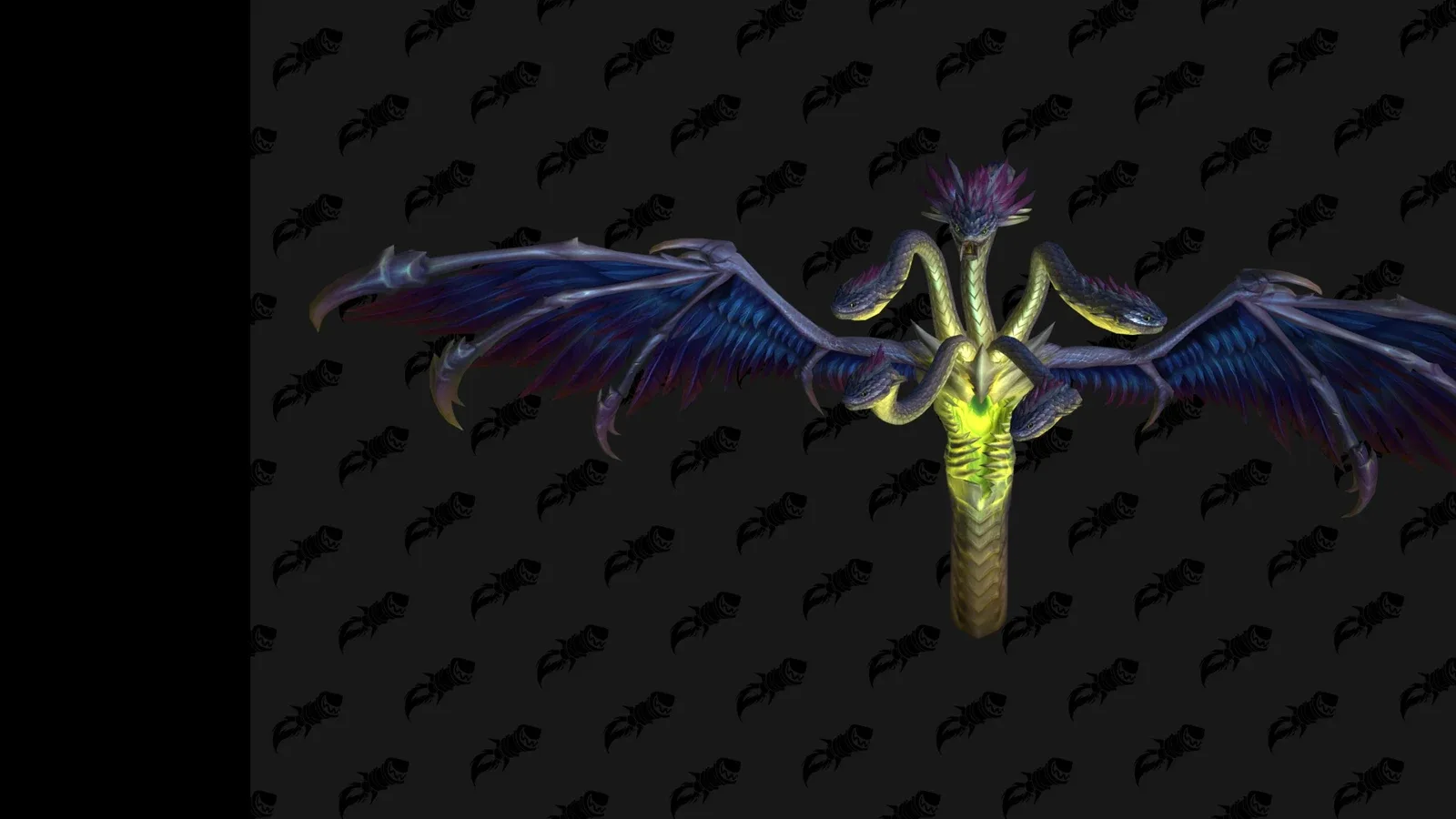
Cover: authentic game model of Lady Liadrin <Blood Knight Matriarch>, viewed in Wowhead’s 3D viewer; © Blizzard Entertainment. This is a model reference, not a combat screenshot. Spell icons are Blizzard game assets, identified through the linked Wowhead records.
The following abilities are concrete Heroic examples for assigning jobs; they are not a universal raid checklist.
Ability names below are searchable English references. Open the linked Wowhead spell for its database entry; follow the Heroic instructions here rather than another difficulty’s default tooltip.
Eternal Nightfall — Break Veil of Twilight, then interrupt; assign a backup for the kick.
Grasping Fangs — Break two total across both sides, then wait for Blight Vein to expire.
Serpent's Bite — Stay in your assigned circle until the effect is fully removed.
T = tank; H = healer; R = assigned player/group. Arrows show movement or sequence; dots represent players or objects as described in the caption. Schematic, not to scale or a map of the actual arena. English labels match the linked abilities.
“Make progress” does not tell you when to leave farm or what to practise. Choose a visible outcome: reach the second Heart window on Ula'tek with both sides returned, complete Coiled Altar's shield-and-interrupt sequence reliably, or secure selected farm kills within an agreed time budget.
State the priority when those goals compete. A progression evening can stop optional farm when its budget ends, even if another drop would be useful. A farm evening can favour reliable completion and planned player rotations. Tell substitutes their expected check-in time and how a change will be communicated.
Here is an example two-hour session, not a prescribed raid length:
| Block | Budget | Output |
|---|---|---|
| Arrival and readiness | 10 minutes | Present roster, repaired characters, assignments visible |
| Selected farm | 25 minutes | Agreed targets or a clear move-on decision |
| Progression block | 65 minutes | Several pulls testing one defined objective |
| Review and final attempts | 15 minutes | One adjustment supported by the attempts |
| Next-session note | 5 minutes | Saved assignments, unresolved issue and owner |
Confirm who will actually attend, for how long and in which role. List the fight's required tasks, then fill them with players whose range, mobility and available utility fit. A roster that looks strong on a damage chart can still leave a distant egg, a mandatory interrupt or a soak group without coverage.
Separate readiness from loot preference. Decide the learning roster and essential jobs first. Discuss farm rotations and loot requests under your published guild rules rather than treating an upgrade request as proof that someone fits every progression assignment. Explain any bench decision privately and name when it will be revisited.
For each critical task, record four things: owner, trigger, location and backup. “Mira interrupts Nightfall after the shield breaks; Leon takes over if Mira is dead or out of range” is actionable. “Ranged handle interrupts” leaves everyone waiting for someone else.
Diagram · Before the pull
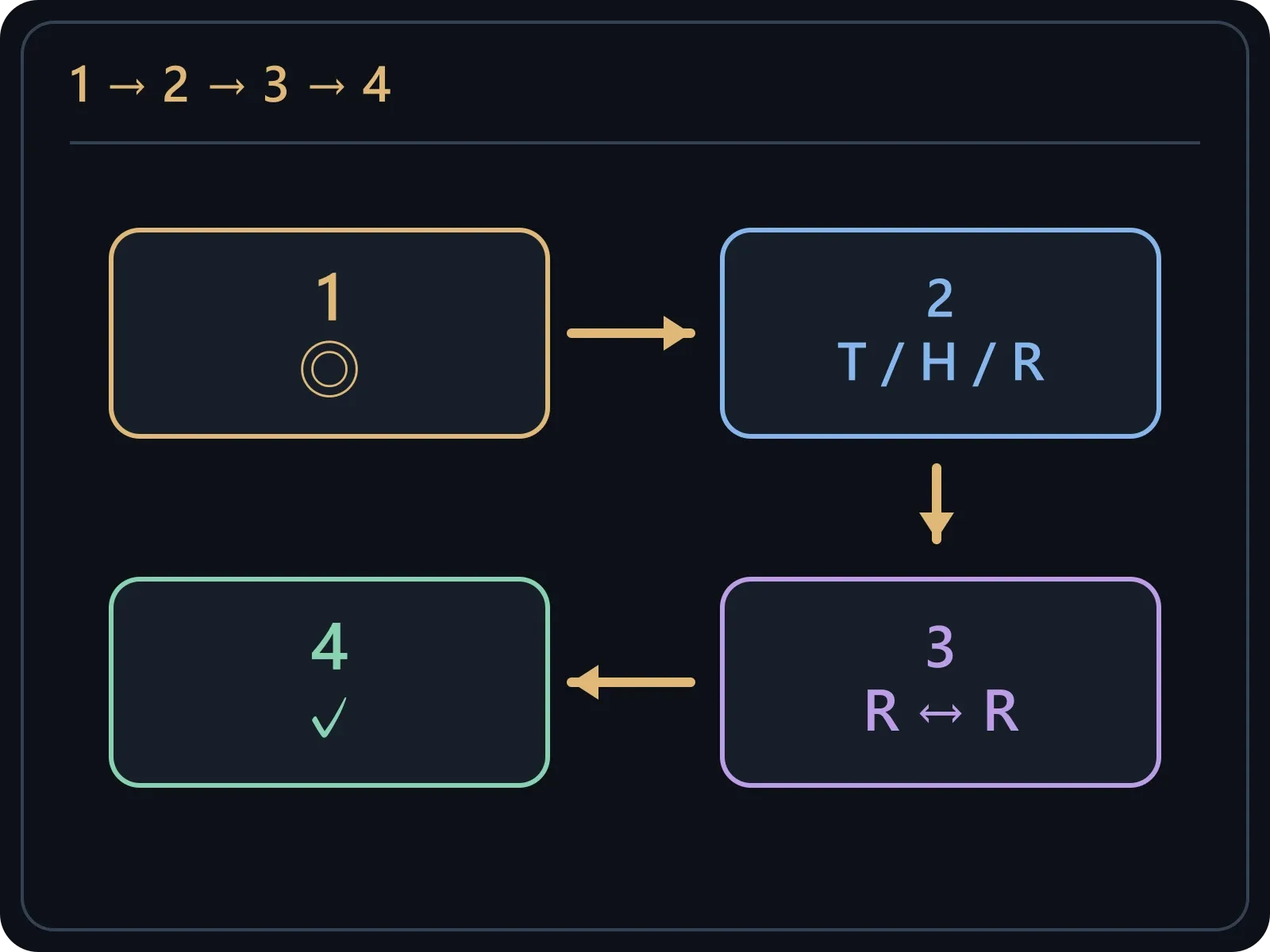
1: measurable goal. 2: actual T/H/R roster. 3: every job has an owner, trigger, location and backup. 4: confirm readiness before pulling.
Use the relevant guide to write the assignment sheet; do not deliver nine encounters as one voice briefing. These are preparation prompts, not substitutes for the full mechanics:
| Heroic encounter | One assignment to settle before the pull |
|---|---|
| Nek'zali the Soulcoiler | Who breaks incoming shields before adds reach the well? |
| Entombed Sentinels | Who calls the toxin pairing and group exchange? |
| The Lost Explorers | Who carries the fish, and who replaces that player? |
| Vashnik the Malignant | Who announces the active fountain pair at Imbibe? |
| Sszorak | Where will cysts be placed relative to the indicated tunnels? |
| The Twin Fangs | Which three groups take the three Feast hits? |
| The Coiled Altar | Who interrupts Nightfall after the raid breaks its shield? |
| Ula'tek | Who runs the shared tether-break queue across both sides? |
| Kith'ix | Who coordinates add control and protection of Liadrin? |
Assign healing and defensive coverage to the dangerous events in that plan. Avoid calling three raid cooldowns for one hit and leaving the next unprotected. Give the caller a backup too; a player can be busy handling a personal mechanic at the exact moment the call is needed.
Before the group gathers, ask players to confirm the intended specialization, talents and equipment, current relevant consumables, repairs and enough supplies for the planned session. A newly changed role needs its own check. Use current class resources for specific item or talent choices; this checklist does not declare a universal minimum item level or one consumable list for every class.
Make sure the voice channel works, the current markers are understood and required alerts are visible. If the group uses addons or combat logging, verify the chosen setup before the pull instead of discovering a missing alert during the assigned mechanic. A tool supports the agreed plan; it does not replace explaining it to a newcomer.
End the brief with three questions each player should answer: What is my first job? Where do I move when its trigger appears? Who takes over if I cannot do it? Rehearse the route once if the answer depends on a gate, a remote platform or a tightly timed handover.
After a wipe, reconstruct the earliest broken job. A healer dying at the end may be the consequence of an earlier missed interrupt or uncontrolled add. Where available, compare the event sequence, target and timing in logs with what players saw; do not infer intent from a damage ranking.
For example, an invented review scenario: on pull one, the Nightfall shield breaks but nobody interrupts. On pull two, the named interrupter dies earlier and the backup has not been told to take over. The next change is an explicit backup call, not simply “more shield damage.” Check whether the following attempts actually complete the sequence.
Diagram · Find the missed handover
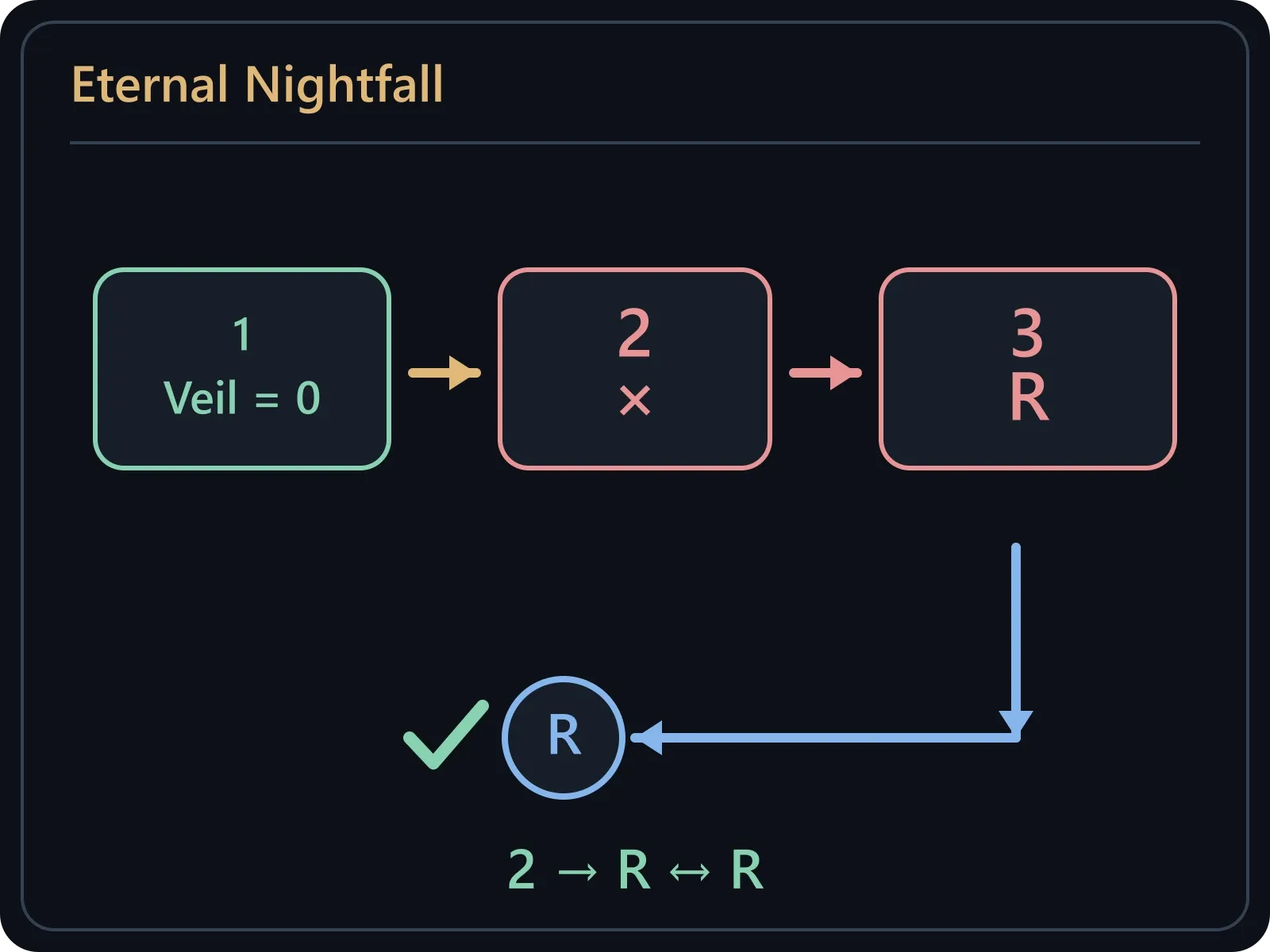
Hypothetical review example, not recorded combat data: the shield broke, the interrupt was missed, and the raid took the consequence. Fix the missing interrupt and its backup rather than asking only for more shield damage.
Test one meaningful adjustment over a short block, such as three pulls, unless the plan is clearly impossible or the roster changes. Record whether the intended event was handled with its required players alive. Boss percentage alone can improve while a necessary mechanic remains unreliable.
Save the actual roster, working assignments, markers, cooldown plan and one unresolved issue. Give that issue an owner and a clear next check. If someone leaves, replace their jobs explicitly before the next countdown; do not quietly inherit an obsolete assignment sheet.
A useful closing note might be: “Both corridor teams returned; tether pairs worked. Next session, confirm the healer Bite group's replacement before pull one. Ana updates the sheet.” The next raid starts with a concrete action instead of retelling the whole evening.
Smaller Blood Venom pools affect Heroic and Mythic. Other November 5 raid nerfs have narrower scope. Check the exact mode before changing your next pull.
Blizzard lists three level-60 Forever raids for December 9. Compare the 10/20/40-player formats and prepare each player’s Onyxia entry before booking a run.
Plan Ula'tek Heroic with two side teams, a shared tether queue, safe egg deliveries and three Serpent's Bite groups for the shrinking final platforms.